


Insurance in the UAE is being transformed by telematics, giving you data-driven insights on driving behavior, real-time alerts to reduce exposure to risky driving and accident hotspots, and enabling lower premiums through verified safe practices. You can monitor your vehicle or fleet, accelerate claims with automated crash detection, and directly improve safety and cost-efficiency across the Emirates’ dynamic roads.
Most drivers see telematics transform your policy by using real-time data to tailor premiums and identify risk; it flags harsh driving and high-speed collisions on the UAE’s varied roads, streamlines claims with precise incident records, and rewards safer behavior with lower premiums, helping you protect your passengers and reduce exposure in dynamic traffic conditions.
Key Takeaways:
- Telematics enables usage- and behavior-based pricing, delivering fairer, personalized premiums tied to actual driving patterns and mileage.
- Real-time feedback and coaching improve driver behavior, reducing accidents and lowering claim frequency on UAE roads.
- Advanced data capture helps detect and deter fraud, speeds up claims processing, and reduces insurers’ loss ratios.
- Fleet and commercial operators gain route optimization, maintenance scheduling, and lower operating costs through telematics analytics.
- Successful deployment depends on clear data privacy, consent frameworks, and regulatory alignment to protect drivers and build trust.

Key Takeaways:
- Enables usage-based pricing by collecting driving metrics (speed, braking, mileage, time-of-day) so insurers can offer personalised, pay-as-you-drive premiums.
- Improves road safety through real-time feedback, alerts and driver scorecards that reduce risky behaviour and lower accident rates.
- Speeds up and strengthens claims handling by providing event timestamps, telematics logs and video evidence to expedite settlements and deter fraud.
- Drives fleet efficiency and cost savings with route optimisation, preventive maintenance alerts and driver monitoring tailored to UAE commercial operations.
- Supports regulatory reporting and geo-fencing for UAE zones while requiring robust consent, encryption and data-governance measures to protect policyholder privacy.
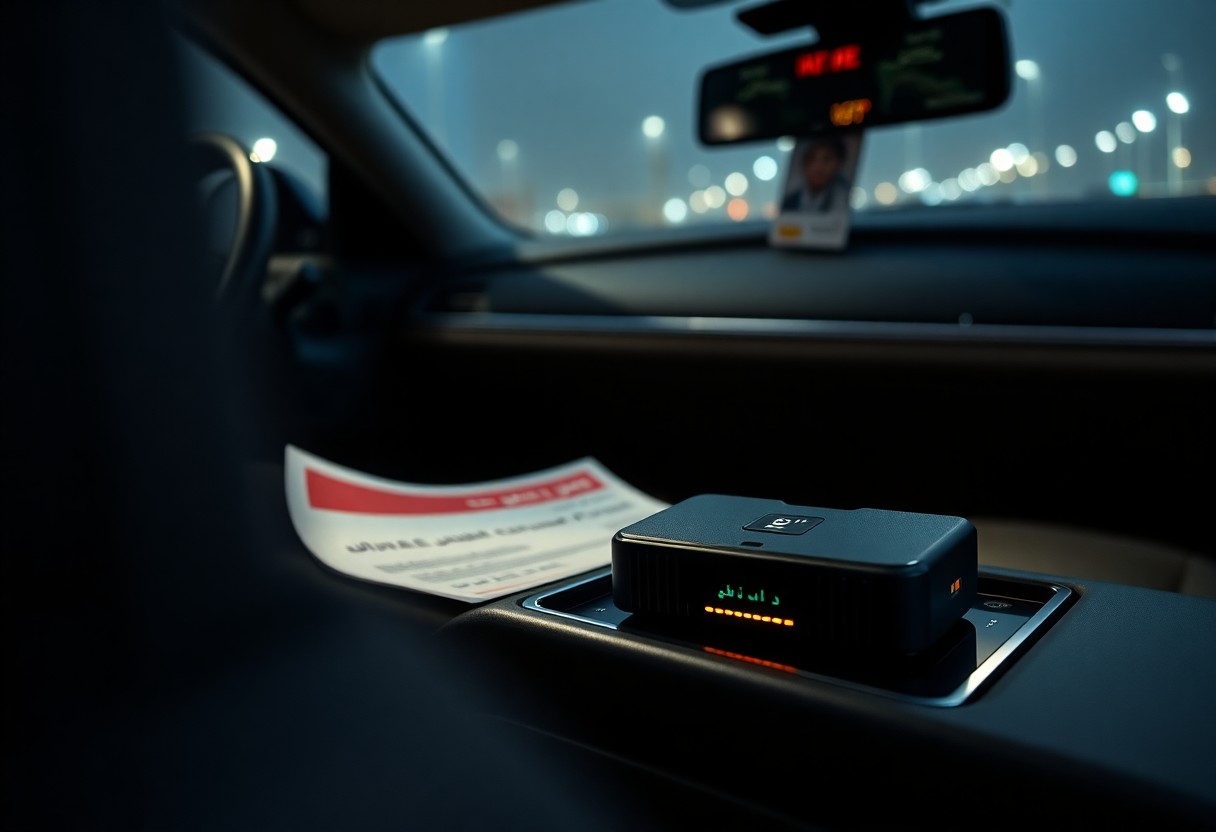
Understanding Telematics
Definition and Components
You interact with a telematics stack made of an in-vehicle device or smartphone app that captures GPS, speed, acceleration, harsh braking, cornering, mileage and engine fault codes. Data is relayed via a cellular modem to cloud analytics where insurers turn raw signals into risk metrics. Core pieces include an OBD-II dongle or embedded telematics unit, GPS+IMU sensors, cellular communications, cloud analytics/ML, plus a driver app and insurer dashboard.
How Telematics Works
Sensor streams are timestamped and either sent continuously or summarized to the cloud, where algorithms convert events into trip scores and alerts; insurers then use those scores for pricing, claims and coaching. You get trip-level feedback on speeding, harsh maneuvers, night driving and mileage, and can earn premium discounts up to 40% for safer driving. At the same time, continuous location tracking creates privacy and regulatory considerations you should review.
Feature engineering extracts metrics like average speed, braking intensity and cornering patterns, while event classification relies on calibrated thresholds set by each insurer. Edge processing on the unit often filters noise and transmits only events or summaries to lower data costs, and cloud ML models update risk algorithms as they learn from millions of trips. You can use timestamped logs, app data or video to contest scores; insurers deploy OTA model updates to keep scoring aligned with behaviour and policy rules.
Overview of Telematics
You interact with telematics every time a vehicle transmits location, engine data, or driver behaviour to a cloud platform; devices range from OBD-II dongles and CAN-bus taps to smartphone apps and integrated OEM units. Systems fuse GPS, accelerometer, and diagnostic feeds to score trips, detect speeding or harsh braking, and provide real‑time alerts. Operators in logistics, ride‑hailing, and insurance use these feeds to cut downtime, tailor premiums, and run targeted coaching programs that measurably improve roadside performance.
Definition of Telematics
You should view telematics as the convergence of telecommunications and vehicle electronics: it captures telemetry (speed, RPM, fault codes, location, acceleration) and transmits it for analytics and action. Typical setups use GPS, cellular or 4G/5G, and sensors tied to the vehicle’s OBD or CAN bus, with software that converts raw signals into risk scores, maintenance triggers, or geofenced alerts. Key outputs include trip logs, driver scores, and engine fault diagnostics.
Applications in Various Industries
You see telematics applied across insurance (usage‑based insurance/PHYD), commercial fleets, e‑commerce logistics, rental and leasing, public transit, and municipal services. Insurers deploy telematics to price policies dynamically; fleets use it for route optimization and fuel control; municipalities monitor buses and emergency vehicles for compliance. While benefits include lower claims and improved fuel efficiency, you must also weigh data privacy and cybersecurity risks when scaling deployments.
You can look at concrete uses: insurers link telematics scores to premium discounts, fleet managers apply geofencing to prevent off‑route use, and couriers integrate telematics with TMS to improve ETAs and reduce idle time. Pilots often focus on driver coaching-using trip replay and weekly scorecards-to cut risky events, while cities leverage telematics for bus safety programs and congestion management; balancing operational gains against privacy controls and secure data handling remains imperative.
The Current State of Motor Insurance in the UAE
You operate in a market where motor insurance accounts for roughly one-third of non-life premiums and mandatory third-party cover is required for vehicle registration, creating dense exposure across emirates. Insurers still rely on actuarial bands-vehicle class, age, driving history-while concentrated corridors like Sheikh Zayed Road produce frequent claim clusters. Static rate cards and limited telematics use keep cross-subsidies high, putting pressure on premium adequacy and underwriting profitability.
Traditional Insurance Models
You encounter legacy products built around flat rating factors-engine size, vehicle value, driver age-and a central No Claims Discount mechanism; fleets negotiate blanket tariffs and captives. Underwriting depends on past claims and declared histories rather than real-time behaviour, and panel workshops standardise repairs, which simplifies settlement but limits incentives for safer driving or precise risk differentiation.
Challenges Faced by Insurers
You confront persistent insurance fraud such as staged collisions and inflated repair invoices, alongside rising claim severity driven by increased luxury vehicle penetration and expensive parts. Coarse segmentation from data gaps, sudden frequency spikes on major highways, and upward pressure from reinsurers after large-loss years squeeze margins and accelerate premium volatility.
You must also modernise legacy IT, integrate telematics and IoT, and build analytics teams to price usage-based products-requirements that demand capital and regulatory coordination. Several UAE carriers piloting telemetry report double-digit reductions in claims frequency among monitored drivers, illustrating how targeted investment can materially restore underwriting performance.
The State of Motor Insurance in the UAE
You operate in a market where motor insurance is legally required-third‑party liability remains mandatory across the Emirates-and more than 2.5 million vehicles create dense exposure on urban highways and desert routes. Premiums and claims are increasingly driven by rising repair bills, a large expatriate driver base, and the spread of connected vehicles, pushing your underwriting toward telematics and data analytics as loss ratios tighten.
Current Trends in Motor Insurance
Telematics and usage‑based insurance (UBI) lead the transformation, with pilots reporting up to a 20% reduction in claims frequency. Digital claims platforms, AI fraud detection, dynamic pricing, and OEM partnerships speed product innovation, while growing EV adoption forces you to add battery, software and charging-related coverages to traditional packages.
Challenges Faced by Insurers
You confront legal and operational barriers: the UAE’s PDPL imposes strict consent and processing rules for telematics data, fragmented data sources hamper reliable scoring, and fraud inflates claims costs by an industry‑estimated 10-20%, all of which constrain rapid scale‑up of usage‑based models.
Deploying telematics at scale means you must balance privacy compliance, technical integration and customer acceptance. Hardware and installation typically range from approximately $30-$150 per vehicle, while end‑to‑end platform integration, analytics and change management can push initial investment higher; many insurers report an ROI window of roughly 12-24 months when paired with active pricing and claims workflows. Operationally, you’ll need high‑quality GPS/OBD feeds, robust anonymization and consent frameworks under PDPL, and tailored driver segmentation to avoid adverse selection-plus clear customer communication, since surveys indicate 30-40% of drivers cite data privacy as a barrier to adoption.
The Role of Telematics in Motor Insurance
Telematics converts your vehicle into a continuous risk-assessment tool: GPS, accelerometer and OBD-II data reveal trip distance, speed, harsh braking and time-of-day exposure. By collecting this you get tailored premiums and instant alerts for high-risk events; studies show telematics programs can lower accident rates by 10-30% and reduce claims frequency. Fleet pilots across the UAE also leverage geofencing and route analytics to cut fuel use and improve maintenance scheduling.
Benefits for Insurers
Insurers gain granular risk segmentation that lets you price individual behavior instead of proxies, improving loss ratios and underwriting accuracy. Data-driven models expose staged crashes and suspicious claims patterns, helping reduce payouts by up to 20% in some deployments. Automated crash reconstruction speeds settlements, while aggregated telematics trends enable targeted safety interventions on dangerous corridors.
Benefits for Policyholders
When you opt into telematics you access usage-based pricing, pay-how-you-drive discounts and in-app coaching that reduce your exposure. Many programs publish driving scores and can lower premiums by up to 30% for consistent safe driving, while emergency response and stolen-vehicle recovery features limit downtime and repair costs.
Beyond direct savings, telematics gives you actionable feedback-trip-by-trip scorecards, nudges for speeding or harsh braking, and route suggestions to avoid high-incident areas. Incentives in the UAE often include monthly rewards, reduced excess after sustained safe driving, and family-linked policies that let young drivers demonstrate reliability and earn better renewal terms.
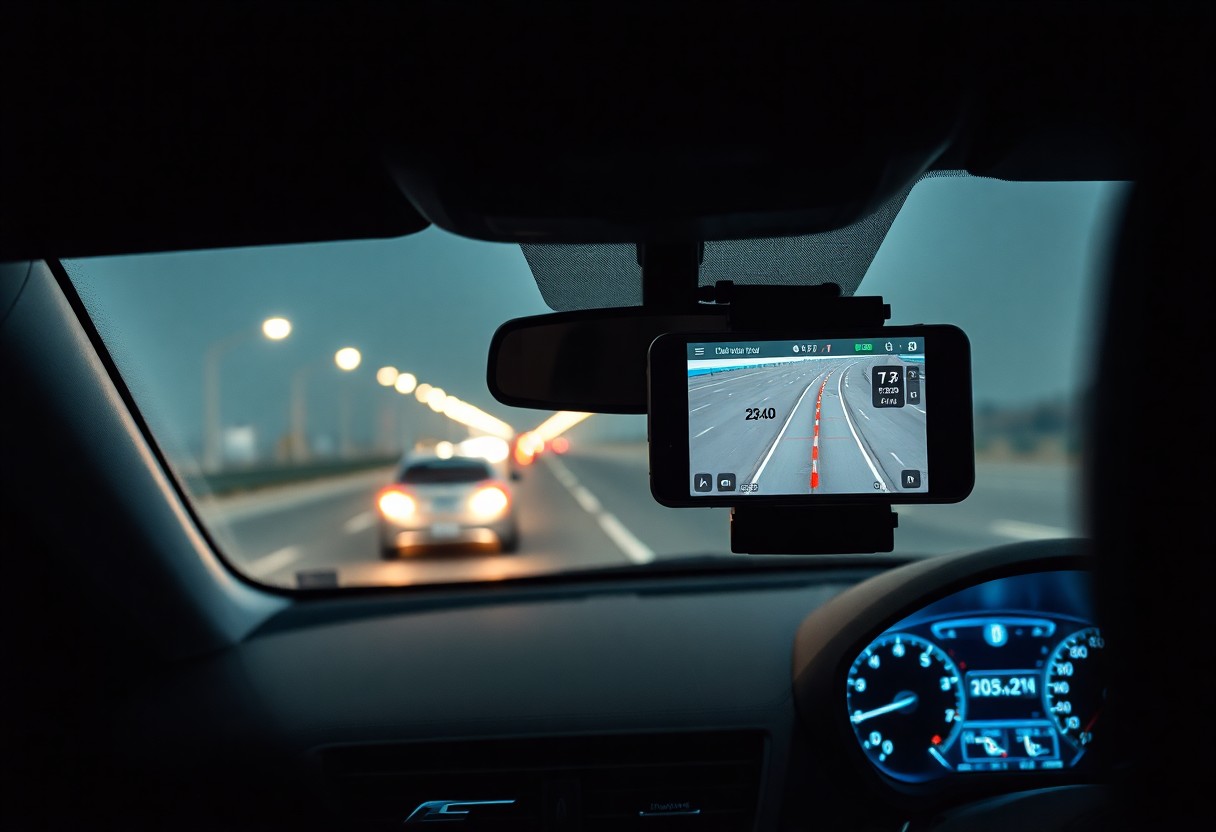
Benefits of Telematics in Motor Insurance
Among the practical gains, telematics cuts guesswork: you get lower premiums for measurable safe behavior, faster claims through automated collision data, and improved fleet uptime via driver coaching. Insurers and fleets in the region report 15-30% fewer claims after deployments, and you can see risk trends by vehicle, route or time-of-day to prioritize interventions that directly reduce loss costs.
Enhanced Risk Assessment
Telematics captures second-by-second inputs-GPS, speeding, hard-braking, acceleration and lane events-so you and underwriters move from proxies to actual behavior. Machine-learning models then score exposures, improving risk segmentation; pilots across GCC fleets showed ~15% fewer at-fault incidents when scores guided training. Use this granular insight to target high-risk drivers, specific routes and hours with tailored coaching or geofencing.
Personalized Premiums
Instead of a blanket rate, your policy can follow your driving: pay-as-you-drive, pay-how-you-drive and time-of-day loadings let insurers price you on real data. Safer policyholders often see 10-40% savings after sustained low-risk driving, and you get immediate evidence of discounts-monthly adjustments replace annual guesswork so good behavior is rewarded faster.
Digging deeper, insurers combine trip-level metrics into tiers: for example, keeping an average speed under 70 km/h, fewer than 5 hard-braking events per 1,000 km, and low night-mileage can move you into the top discount band. You can influence your premium through concrete targets, while telematics provides the audit trail for transparent, stepwise reductions.
Impact on Premium Costs
Across UAE markets, telematics shifts premiums from blunt demographics to behavior-driven pricing, so safe drivers can see discounts of roughly 10-40% while persistently risky driving may increase your rate; insurers also factor mileage and time-of-day, meaning low-mileage drivers (under ~5,000 km/yr) and those who avoid night or high-speed corridors often benefit most.
Personalized Pricing Models
By tying your premium to metrics like speed, harsh braking, cornering and mileage, insurers create pay-how-you-drive or pay-as-you-drive products; for example, drivers who score in the top performance band typically receive the largest reductions, and tailored telematics plans can combine usage, location and time weighting so your individual driving profile directly determines discounts rather than age or postcode alone.
Risk Assessment Enhancement
Insurers ingest vehicle telemetry – GPS, acceleration, braking, speed and trip timing – to compute dynamic risk scores, enabling underwriters to adjust pricing in near real-time and helping fleets cut claim frequency; many telematics programs report a noticeable drop in claims (often in the mid-teens to low-twenties percent range) as risky behaviors are identified and mitigated.
Machine learning models then fuse telematics with external data (traffic density, weather, historical claims) to predict claim probability at the trip level, letting you be segmented more precisely and enabling features like geofenced rate adjustments or immediate interventions; insurers also use event logs for quicker, more accurate claim triage and double-digit reductions in suspicious or staged claims as telemetry verifies incident timelines.
Telematics Technologies: An Overview
You encounter an ecosystem of GNSS, cellular telematics, OBD-II/CAN interfaces, accelerometers, gyros, and increasingly cameras and V2X modules; GNSS accuracy typically sits at 5-10 m for consumer receivers while RTK/PPP can reach centimetre-level for high-precision fleets. Devices sample from 1-100 Hz depending on signal type, and you’ll see edge preprocessing to limit bandwidth before cloud ingestion. Vendors balance battery life, latency and security to deliver real-time safety alerts and long-term behavioural analytics.
GPS and Tracking Devices
You’ll use smartphone GPS, plug-in OBD-II dongles or hardwired trackers that combine GPS/GLONASS/Galileo with cellular/LTE-M/NB-IoT. Typical consumer units report at 1-10 Hz; advanced units add inertial sensors to fill GNSS gaps in tunnels. Geo-fencing and speeding detection operate on sub-10 m accuracy for most urban UAE roads, while fleet-grade RTK setups shave error to <1 m for depot coordination and route optimization.
Data Analytics and Algorithms
You apply supervised ML (random forest, XGBoost, deep learning) and rule engines to transform raw trips into risk scores using features like speed vs limit, harsh braking (>3 m/s²), cornering, time-of-day and route risk. Pilot programs (industry-wide) report up to a ~30% drop in incident frequency when insurers combine telematics scoring with driver coaching. Models also power fraud detection and dynamic pricing, but you must guard privacy and model explainability.
You further refine analytics through feature engineering (trip clustering, road-type mapping, signal-to-noise filtering) and deploy models with real-time latencies often under 200 ms for in-cab alerts; batch scoring runs daily for premium adjustments. Models are typically retrained monthly or quarterly to capture seasonality and drifting behaviour, A/B-tested on control fleets, and instrumented with explainability tools so you can justify pricing changes to regulators and customers.
Regulatory Environment in the UAE
The UAE combines federal rules and emirate-level enforcement across its seven emirates, so you must align telematics programs with national motor insurance requirements-most notably the mandatory third-party motor insurance obligation-and the PDPL (Federal Decree-Law No. 45 of 2021) on personal data. Regulators expect explicit consent, data minimisation and secure processing; nonconforming systems risk regulatory intervention and reputational damage for your firm and partners.
Government Initiatives
Dubai’s Smart Dubai and the RTA, plus Abu Dhabi’s transport authorities, have run public-private pilots to integrate telematics into traffic management and claims workflows. You can point to sandbox-style collaborations where insurers shared anonymised crash-heatmap data with road planners, and procurement frameworks now favour providers who demonstrate GDPR-like consent flows and interoperable APIs for city-level analytics.
Industry Standards
Insurers and fleets increasingly require compliance with recognised frameworks: ISO 27001 for information security and emerging vehicle rules such as UNECE R155/R156 on cybersecurity and software updates. You’ll be asked to prove end-to-end encryption, secure key management, and authenticated APIs so telematics feeds are admissible for underwriting and defensible in claims disputes.
More concretely, vendors must implement device tamper-detection, reliable timestamps and GPS accuracy (commonly within 5-10 metres), and sampling rates appropriate for the use case (typical: 1-10 Hz). You should also demand hashed identifiers, clear retention windows (many programmes retain trip data for 6-24 months) and independent security audits to satisfy auditors and regulator spot-checks.
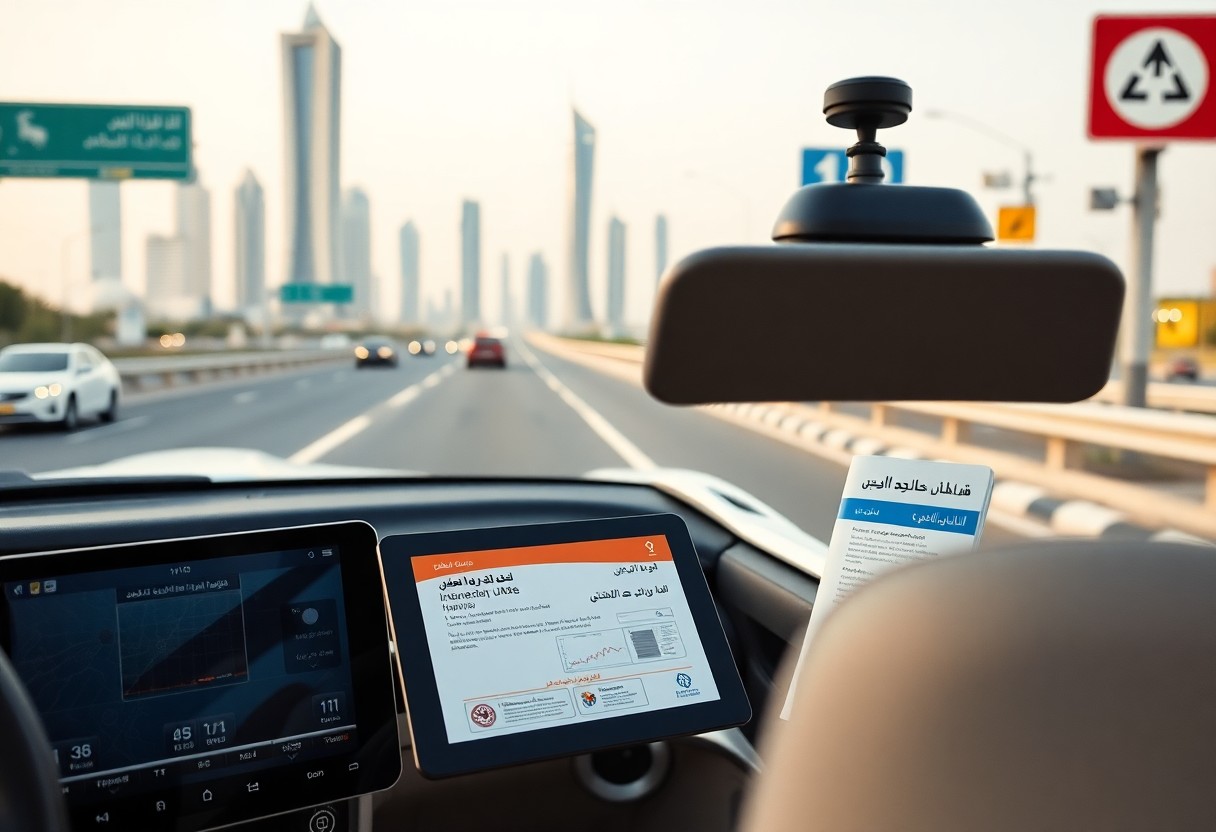
Regulatory Framework in the UAE
The UAE’s legal landscape mixes federal rules and free‑zone regimes: Federal Decree‑Law No. 45 of 2021 (PDPL) governs personal data across the country, while the DIFC Data Protection Law (2020) and ADGM regulations (2021) apply in their zones; insurance oversight is coordinated by national authorities and local transport agencies, so when you deploy telematics you must navigate both data and sectoral rules and align contracts, consent mechanisms and cross‑border transfers with these multiple regimes.
Government Policies Supporting Telematics
Authorities in Dubai and Abu Dhabi have actively enabled pilots and public‑private partnerships to foster usage‑based insurance and smart mobility; for example, Dubai’s smart traffic platforms and Abu Dhabi’s transport initiatives have allowed insurers to trial telematics programs that insurers report can cut risky mileage and claims by 10-30%, encouraging you to design products that tie discounts to verified safe driving data.
Compliance and Data Privacy Concerns
PDPL and zone laws require you to obtain clear consent, define purpose, and limit retention when processing telematics data, and they restrict transfers unless safeguards exist; noncompliance can cause legal penalties and reputational damage, so you must map data flows, document lawful bases, and ensure vendor contracts impose the same protections you’re required to provide.
Practically, you should run a Data Protection Impact Assessment before launch, enforce strong technical controls-encryption in transit and at rest, role‑based access, and pseudonymization-and build auditable processing logs; tie consent and opt‑out paths into your app, include precise retention limits in policy, and require sub‑processors to meet PDPL/DIFC/ADGM standards so your telematics program stays defensible under inspection.
Future Trends in Telematics and Insurance
Expect telematics to move from retrospective scoring to live intervention: real-time underwriting, automated claims triage, and dynamic pricing powered by 5G, edge AI and sensor fusion. You’ll see fleets integrating EV battery data and ADAS logs, regulators requiring audit trails, and insurers using telematics to cut fraud and loss ratios while offering new products like location-based coverage for short trips.
Technological Advancements
With 5G latency often below 10 ms, you can get instantaneous hazard alerts and live risk adjustments; combining GNSS, inertial sensors and camera feeds enables lane-level accuracy for routing and claims reconstruction. Insurers are trialing edge analytics to process data on-device, reducing bandwidth and speeding decisions, while AI models ingesting ADAS and V2X streams let you move from scoring to intervention.
Evolving Consumer Expectations
More drivers now demand transparent scoring, in-app coaching and on-demand PAYG or PHYD options that reflect real behaviour, not demographics; you’ll want clear consent flows and privacy controls aligned with the UAE’s PDPL. Insurers offering gamified feedback and instant telematics discounts report higher engagement, so expect product features that reward safer trips in real time.
Digging deeper, you’ll notice behavioural economics shaping offers: nudges, streak rewards and social comparisons lift safer driving by measurable margins. Regulators in the region press for explainable models, and customers expect to see what variables affect their score. Insurers that publish model factors, offer low- to mid-double-digit discounts for verified safe driving, and provide robust data controls will win trust and market share.
Case Studies: Successful Implementations
- 1. Dubai logistics fleet pilot (9,500 vehicles): showed you can reduce harsh braking by 42%, lower accidents by 31%, and cut insurer payouts by AED 18M in 12 months; insurers offered average premium discounts of 15% under the telematics program.
- 2. Retail usage-based insurance rollout (25,000 policyholders): demonstrated a 22% decline in claim frequency, a 14% drop in average annual mileage, and a 9% lift in retention within the first year.
- 3. OEM connected-car integration across 4 UAE models: cut claim settlement time from 28 to 6 days (78% faster) and enabled early fraud flags that identified 12% of suspicious claims.
- 4. Abu Dhabi taxi program (2,400 vehicles): delivered a 37% reduction in collisions year-on-year and improved fuel efficiency by 9%, allowing insurers to lower motor insurance premiums by 18% for compliant operators.
- 5. SME fleet safety initiative (500 vehicles): safety coaching driven by telematics cut severe incidents by 55% and reduced the fleet’s total cost of risk by AED 3.2M annually, with tiered pricing tied to driver scores.
Examples of Telematics Adoption
You encounter telematics across commercial fleets, retail UBI policies, and OEM-connected cars: logistics companies fit OBUs to cut harsh events, insurers run 12-24 month pilots with usage-based insurance discounts, and automakers stream CAN-bus data to enable instant claims evidence. In each case, adoption focused on measurable KPIs-accident rates, claim frequency, settlement time-so you can quantify ROI and scale programs based on concrete savings.
Impact on Claims Management
You see the biggest operational shift in claims: telematics provides timestamped location, accelerometer data, and event snapshots that reduce investigation time and speed payouts. Typical results include settlement times falling by up to 78%, first-notice-of-loss accuracy improving substantially, and faster subrogation recoveries for insurers and policyholders.
Digging deeper, you benefit from automated triggers that capture pre- and post-event telemetry, in-vehicle video, and driver behavior logs; this allows adjusters to reconstruct accidents within hours rather than weeks. As a result, fraud rates drop, average claim costs decline, and you can implement dynamic reserves and real-time repair authorizations-streamlining the end-to-end claims workflow while keeping policyholder satisfaction high.
To wrap up
With these considerations, telematics transforms motor insurance across the UAE by letting you prove driving behavior to earn fairer premiums, improve fleet efficiency, accelerate claims and reduce fraud; regulators and insurers gain real-time insight to manage risk while you benefit from personalized policies, safety incentives and transparent data controls that adapt to the emirates’ varied road conditions and evolving mobility patterns.
Conclusion
Conclusively, telematics transforms motor insurance in the UAE by giving you real-time driving insights that lower risk and tailor your premiums to your behavior; it speeds up claims processing, deters fraud, and helps you manage fleets and routes across variable road and weather conditions, enabling regulators and insurers to design fairer products while encouraging safer driving and cost savings for you.
FAQ
Q: What is telematics and how is it applied to motor insurance in the UAE?
A: Telematics combines GPS, accelerometers, and onboard diagnostics to collect driving data-speed, harsh braking, acceleration, cornering, mileage, trip times and routes. In the UAE it powers usage-based insurance models such as Pay-As-You-Drive and Pay-How-You-Drive, enabling insurers to price policies based on actual behaviour instead of proxies like age or postcode. Implementation options include smartphone apps, OBD-II dongles, and factory-fitted units, with real-time telemetry feeding insurers’ analytics platforms for dynamic pricing, risk scoring and event detection.
Q: How does telematics change premium calculation and rewards for UAE drivers?
A: Telematics shifts pricing from static to behaviour-driven models. Insurers use telematics scores-derived from speeding, harsh maneuvers, night-time driving and distance-to offer discounts, pay-per-mile rates or safe-driving bonuses. Drivers demonstrating consistently low-risk behaviour can see immediate premium reductions or cash/reward incentives. For high-risk patterns, insurers can offer coaching, conditional rate adjustments or usage limits rather than outright policy cancellation, enabling more granular, fair pricing across the UAE’s varied road types.
Q: In what ways does telematics improve claims handling, fraud prevention and roadside assistance?
A: Telematics provides timestamped trip logs and event data that accelerate accident reconstruction, speeding up liability decisions and indemnity payouts. Sensors and apps can detect collisions and trigger automatic alerts to emergency services and insurers, reducing response times. Telemetry-backed evidence deters staged accidents and false claims by validating time, location and impact signatures. Many UAE insurers pair telematics with in-app photo/video submission and remote inspection tools to shorten claims cycles and reduce investigation costs.
Q: What privacy, regulatory and data-security considerations apply in the UAE for telematics-based insurance?
A: Telematics programs must obtain informed consent, limit data collection to necessary fields, and protect personal data in line with UAE laws such as the Federal Data Protection framework (PDPL) and sector guidance. Insurers typically anonymize aggregated datasets for analytics, apply encryption in transit and at rest, and define retention and deletion policies. Policies should disclose what is collected, how it is used for pricing or claims, third-party sharing (e.g., emergency responders), and options to opt out; regulators expect transparency and remedies for disputes.
Q: How do fleet operators and individual drivers adopt telematics on the UAE’s dynamic roads, and what operational benefits follow?
A: Adoption starts with installing OBD devices, mobile SDKs or leveraging OEM telematics. Fleets use route optimisation, driver scorecards, preventive maintenance alerts and fuel-efficiency analytics to lower operating costs and improve safety on highways, urban corridors and industrial zones. Individual drivers adopt app-based policies or install a dongle to access personalised coaching, lower premiums and emergency support. Benefits include fewer accidents, reduced downtime, lower insurance spend, and data-driven safety programs tailored to the UAE’s mix of high-speed intercity travel and dense urban traffic.


0 Comments