

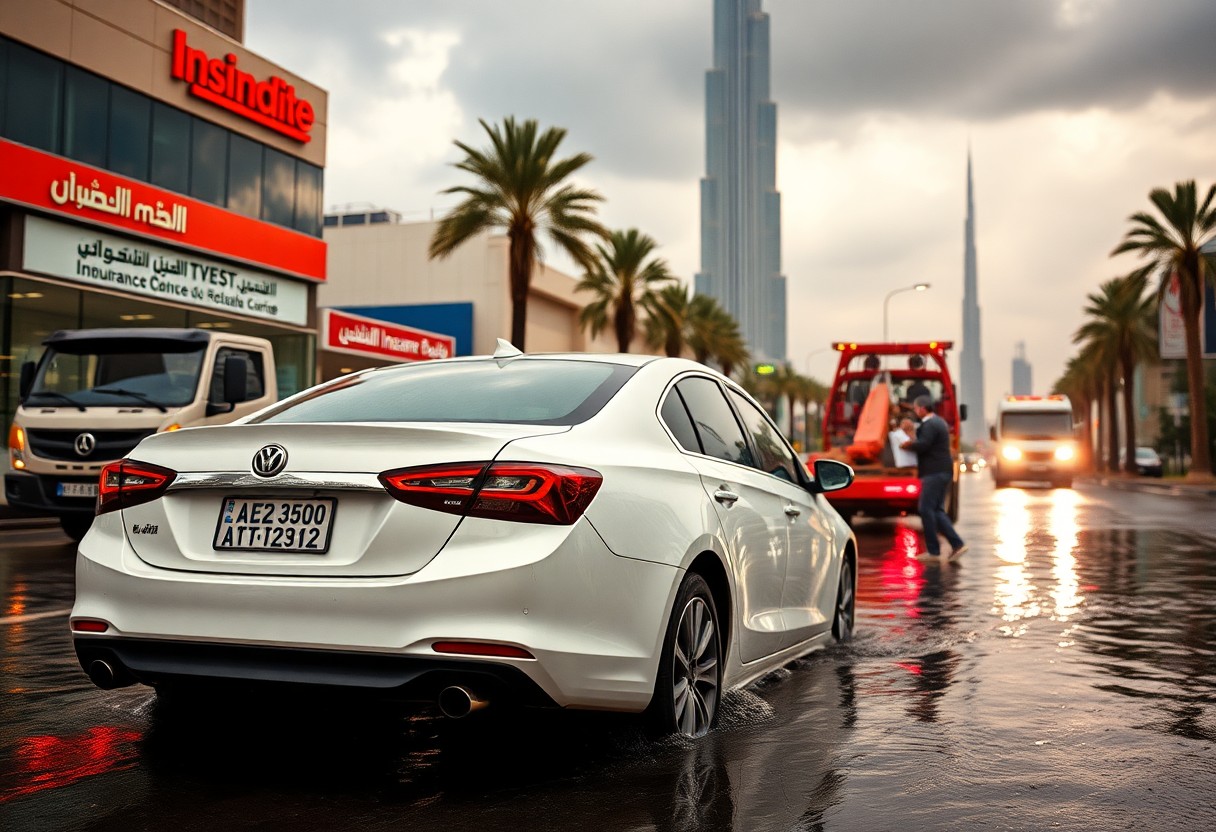
Insurance in the UAE is shifting as rising extreme weather events drive increased claims and pressure insurers to raise premiums, so you should assess how your location and driving habits affect costs; adopting risk mitigation measures like covered parking and advanced safety tech can reduce exposure and deliver potential savings on your motor insurance.
Key Takeaways:
- Increased climate volatility in the UAE (flash floods, heavy rains, sandstorms, extreme heat) raises the frequency and severity of motor claims.
- Insurers adjust pricing upward in exposed segments due to higher claims, rising repair costs, and increased reinsurance expenses.
- Premium impacts are uneven: coastal, low-lying and flood-prone areas, plus high-mileage drivers, experience larger rate increases.
- Use of granular climate data, telematics and advanced analytics improves risk differentiation and leads to more targeted premium adjustments.
- Government mitigation, infrastructure improvements and risk-pooling can moderate premium growth, but persistent uncertainty and capital needs keep upward pressure on rates.
Understanding Climate Volatility
Definition and Factors of Climate Volatility
You can define climate volatility as the growing unpredictability and amplitude of weather driven by warming – global mean temperature has risen about 1.1°C since pre‑industrial levels, increasing variability. Key drivers include:
- Temperature variability
- Precipitation extremes
- Sea‑level rise
- Extreme events
The increased frequency and intensity of these drivers complicates underwriting and influences your motor insurance pricing.
Impact of Climate Change on Weather Patterns
Patterns are shifting: heavy precipitation events and heatwaves are becoming more frequent, and the IPCC links warming to stronger extreme precipitation intensity. In the UAE you’ve experienced convective storms and flash floods that halted traffic and spiked repair claims, so insurers face greater short‑term loss volatility that feeds into your premium adjustments.
Higher sea‑surface temperatures and a moisture‑rich atmosphere allow storms to dump more water – atmospheric moisture rises roughly 7% per °C, which intensifies downpours. Urban drainage limits and low coastal elevations amplify flash flooding and coastal inundation, shortening return periods for damaging events and increasing the frequency of claims you and insurers must anticipate.
Overview of Motor Insurance in the UAE
Under UAE law every registered vehicle must carry at least third‑party liability, so you face fines or impoundment for lapses. Insurers sell comprehensive and third‑party packages with add‑ons like roadside assistance, windscreen cover and agency repairs; major providers include AXA, ADNIC and RSA. You can often earn a No‑Claims Discount (up to ~60%) and choose excess levels to lower premiums. Rising heavy rains and sandstorms have increased claims volatility, pushing underwriters to tighten terms and pricing.
Insurance Market Landscape
The market is competitive, with dozens of licensed insurers and brokers-retail leaders such as AXA, RSA, Oman Insurance and ADNIC, plus specialist fleet underwriters. You buy policies overseen by the Central Bank of the UAE, and digital entrants and insurtech brokers now offer online quotes and telematics. Telematics programs can reduce premiums by roughly 10-25% for safer drivers, while corporate fleets negotiate pooled pricing and bespoke risk transfer solutions.
Typical Premium Structures
Premiums are driven by vehicle value, age, driver profile, claims history and cover level; comprehensive policies cost more but lower your out‑of‑pocket exposure. For example, a mid‑range sedan often attracts AED 1,000-3,000 annually, whereas luxury or high‑performance cars can exceed AED 10,000. You manage pricing through No‑Claims Discounts, voluntary excess selection and optional endorsements like agency repair or GCC coverage.
Insurers increasingly itemize climate-related risk: many policies include sandstorm and flood cover but attach higher excesses or location‑based loadings. You should expect reinsurer cost increases and extreme‑weather claims to be passed into premiums, with some underwriters applying mid‑single to low‑double digit surcharges for high‑risk zones. Leveraging telematics, garage-network choices and accurate annual mileage declarations helps you mitigate those increases.
Link Between Climate Volatility and Insurance Risk
As climate volatility increases, you face more frequent and severe perils-flash floods, intense convective storms and wind-sand events-that directly raise motor exposure. Insurers are reworking models to reflect higher loss frequency and severity, running stress-tests that assume historically rare storms occur every few years. That shift forces carriers to raise premiums, tighten deductibles or restrict cover in high-risk zones, because greater volatility means larger, less predictable payouts for your motor policy.
Assessment of Risks Associated with Climate Events
Underwriting now combines hazard maps, flood-depth modelling and telematics to quantify your individual exposure; postcode-level GIS and vehicle usage data show where claims cluster. Actuaries often treat >30cm of standing water as a threshold for severe engine and electrical damage, so flood depth and frequency directly inflate your risk rating. Insurers also factor repair-market constraints-longer lead times and parts scarcity raise expected claim costs during major events.
Historical Data and Trends in Claims
Over the past decade you’ve likely seen weather-related motor claims rise during peak storm seasons, with insurers reporting concentrated spikes after major rain events. Claim types shift toward water ingress, electrical failure and total-loss write-offs, and average payouts for these weather-linked claims are typically noticeably higher than routine collision repairs, prompting carriers to adjust pricing and reserve strategies accordingly.
Drilling deeper, you should note that flood and storm incidents produce clustered, high-severity losses-multiple claims from the same event-so loss ratios jump in affected months. Insurers therefore track seasonality (most heavy rains occur between October and March), monitor repair-cost inflation and use pooled event-simulations to set premiums; as a result, your premium movement often follows the frequency of clustered weather events rather than steady annual increases.
The Economic Impact on Premiums
You’ll see insurers pass increased claims volatility into motor tariffs as they cover rising reinsurance and capital costs. Globally, reinsurance rate hikes of 20-40% have compelled Gulf underwriters to lift motor-premium assumptions; in practice that translates to insurer uplifts of roughly 5-15% for higher-risk urban and coastal portfolios. Insurers also add zone loadings, tighter policy terms, and higher deductibles to protect solvency and margin.
Cost-Benefit Analysis for Insurance Providers
When you compare the cost of higher premiums versus loss exposure, insurers run scenario tests: increasing rates might restore profitability but can trigger customer churn. Telematics and risk-engineering investments often offer better returns – broker data shows telematics can cut at-fault claims by up to 30%, while targeted premium loadings of 10-25% on flood-prone zones reduce moral hazard without large portfolio loss.
Policyholder Behavior in Response to Climate Risks
Younger drivers and value-conscious buyers increasingly shift toward higher deductibles, add-ons like flood cover, or usage-based policies; brokers in the UAE report rising demand for roadside assistance after heavy-rain events. Price sensitivity matters: many will shop around if your renewal rises beyond competitive thresholds, so insurers balance immediate rate rises against potential lapses and reputational risk.
Fleet managers act decisively: you can expect more GPS tracking, elevated parking, and revised routing to avoid flood corridors, which insurers reward with discounts; adoption of telematics among fleets can lower claims costs by 15-30%. Meanwhile, private motorists increasingly accept limited cover or shorter renewal terms, and brokers use targeted education and microproducts to retain customers exposed to climate volatility.

Regulatory Considerations and Responses
Government Policies on Climate Change and Insurance
Since the UAE’s Net Zero by 2050 pledge (announced 2021), you should expect regulators to push insurers toward greater climate disclosure and scenario testing. International frameworks like the TCFD and IAIS guidance (issues paper, 2021) are being used as benchmarks, and you will increasingly see requirements for stress tests against floods, heatwaves and extreme precipitation to quantify contingent liabilities and reserve adequacy.
Industry Standards and Practices
Major carriers in the UAE now rely on catastrophe models from providers such as RMS and AIR, remote-sensing flood maps and parametric triggers to price risk; you will notice premiums and policy terms changing by micro-location and hazard exposure. Reinsurers including Swiss Re and Munich Re have tightened capacity and adjusted rates, so pricing increases and tighter exclusions are becoming more common.
Insurers are also adopting operational standards: you should expect regular model updates (typically annual), integration of high-resolution satellite and LiDAR data for urban flood mapping, and wider use of parametric products that pay within days rather than months. Claims workflows are being automated, capital models are incorporating multi-decade climate scenarios, and some carriers are offering resilience incentives-so your premiums may fall if you invest in flood barriers, adapted parking layouts or telematics-driven maintenance.
Case Studies and Real-World Examples
You can trace the immediate effects of extreme weather: insurers reported a 20-30% rise in weather-related motor claims after intense rainfall, with average payouts increasing by AED 4,000-7,000 per claim, showing how climate volatility feeds directly into motor insurance premiums across the UAE.
- 2019 Dubai flash floods: a leading insurer logged a 22% quarter-on-quarter jump in motor claims; mean repair cost rose to ~AED 6,800.
- 2020 Al Ain hailstorms: windshield and bodywork claims increased 45%, pushing average claim value up 35%.
- 2021 Ras Al Khaimah coastal surge: flood-related write-offs rose 12% year-over-year; aggregated insurer payouts exceeded AED 18 million.
- 2022 Gulf heatwave: tyre, battery and engine-failure claims rose 28%, with average small-claim payouts ~AED 900.
- Portfolio adjustment case: a major UAE insurer raised private motor rates by 8% after a 3-year trend showing a 25% rise in weather-driven claims frequency.
Comparative Analysis from Other Regions
When you compare trends, the pattern repeats: North American studies show catastrophic storms driving a 15-35% rise in insured motor losses seasonally, while European flood events correlate with premium uplifts of 10-20%, highlighting consistent pressure from climate volatility on global motor insurance premiums.
Regional Comparison
| Region | Observed Impact on Claims / Premiums |
|---|---|
| United States | Seasonal storms: 15-35% spike in motor claims; localized premium adjustments up to 25%. |
| Europe | Flood-prone areas: insured motor losses up 10-20%; some carriers increase premiums by 8-15%. |
| South & Southeast Asia | Monsoon/typhoon zones: claim frequencies rise 20-40%; reinsurers demand higher loadings. |
Localized Studies within the UAE
You’ll find targeted UAE research showing urban flood hotspots and coastal exposure drive disproportionate motor losses, with municipal-level studies reporting claim frequency increases of 20-30% in high-risk districts, prompting insurers to refine risk maps and price accordingly.
Further analysis reveals insurers using telematics and historical weather overlays to segment risk: policies in repeatedly flooded zones now carry higher deductibles or surcharges, and some fleets have seen renewal hikes between 5-12% after multiyear loss assessments, directly linking local climate volatility to your motor insurance premiums.
Summing up
As a reminder you should expect climate volatility in the UAE to push motor insurance premiums higher because increased extreme weather and temperature swings raise claim frequency and repair costs, force insurers to update risk models and reserves, and lead to stricter underwriting and higher deductibles; by adapting vehicle protection, routing, and storage you can reduce exposures and influence your individual premium trajectory.
FAQ
Q: How does climate volatility change risk profiles for motor insurers in the UAE?
A: Climate volatility increases both the frequency and severity of weather-related losses, shifting underwriting risk. More intense rainfall and flash floods raise claims for water damage, while sandstorms and extreme heat drive up accident, mechanical failure and corrosion claims. Insurers update actuarial models, incorporate forward-looking climate data, and segment exposure by geography and vehicle use to price these evolving risks.
Q: Which specific climate hazards in the UAE most affect motor insurance claims?
A: Flash flooding from concentrated rainfall causes the largest spike in vehicle damage and total-loss events; standing water also leads to engine and electrical failures. Sand and dust storms increase accident rates, visibility-related collisions and abrasive wear on components. Extreme heat accelerates tyre failures, battery degradation and cooling-system breakdowns, and coastal salt spray worsens corrosion for vehicles near shorelines.
Q: How do insurers typically adjust premiums and policy terms in response to climate volatility?
A: Insurers may raise premiums for high-exposure areas, apply location-based surcharges, increase deductibles for weather-related claims, or exclude certain perils unless bought as add-ons. They also rely more on cat-modeling, purchase higher reinsurance protection (which feeds into pricing), and offer parametric or usage-based products that pay out on objective triggers such as rainfall thresholds. Underwriting becomes more granular, with telematics and vehicle-storage habits influencing individual rates.
Q: What actions can UAE drivers take to limit climate-driven premium increases or losses?
A: Park in covered or elevated locations to avoid flood and sand exposure, maintain cooling and electrical systems, and replace tyres and batteries proactively. Use safe-driving telematics programs to qualify for discounts, avoid driving through flooded roads, and opt for comprehensive cover or targeted add-ons (flood, sand damage) if dwelling or commute is high-risk. Collective adoption of these measures lowers claim frequency and can reduce insurer pricing pressure over time.
Q: What is the likely outlook for motor insurance premiums in the UAE over the next 5-10 years because of climate volatility?
A: Expect gradual premium increases in flood- and storm-prone zones and more differentiated pricing overall as insurers price location and exposure more precisely. Product innovation-parametric solutions, micro-add-ons, and telematics discounts-will expand to manage affordability. The pace of change will depend on future loss trends, reinsurance costs, government investment in drainage and infrastructure, and availability of high-quality climate and claims data for modeling.


0 Comments